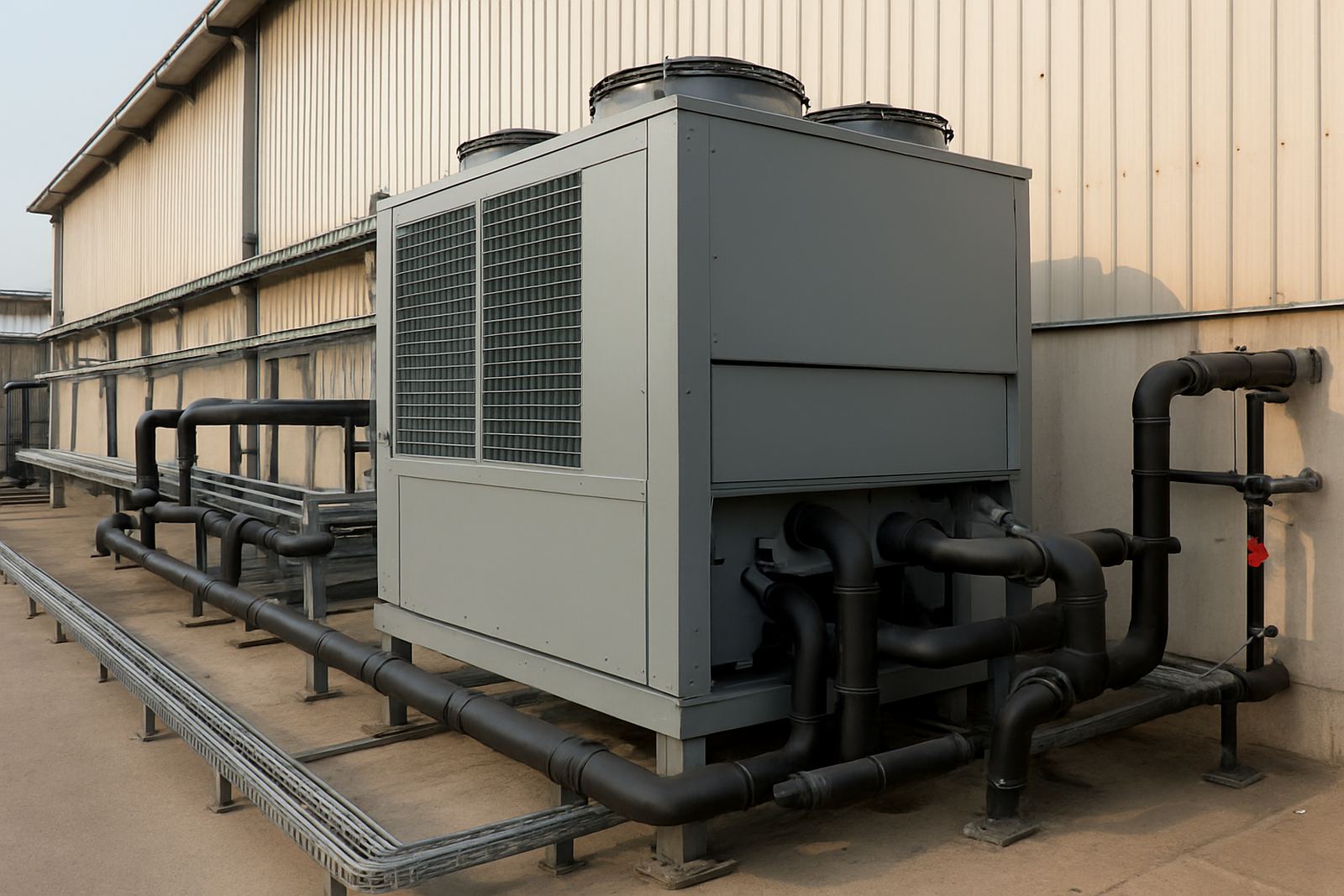
What a Stainless Tank Chiller Does on Site
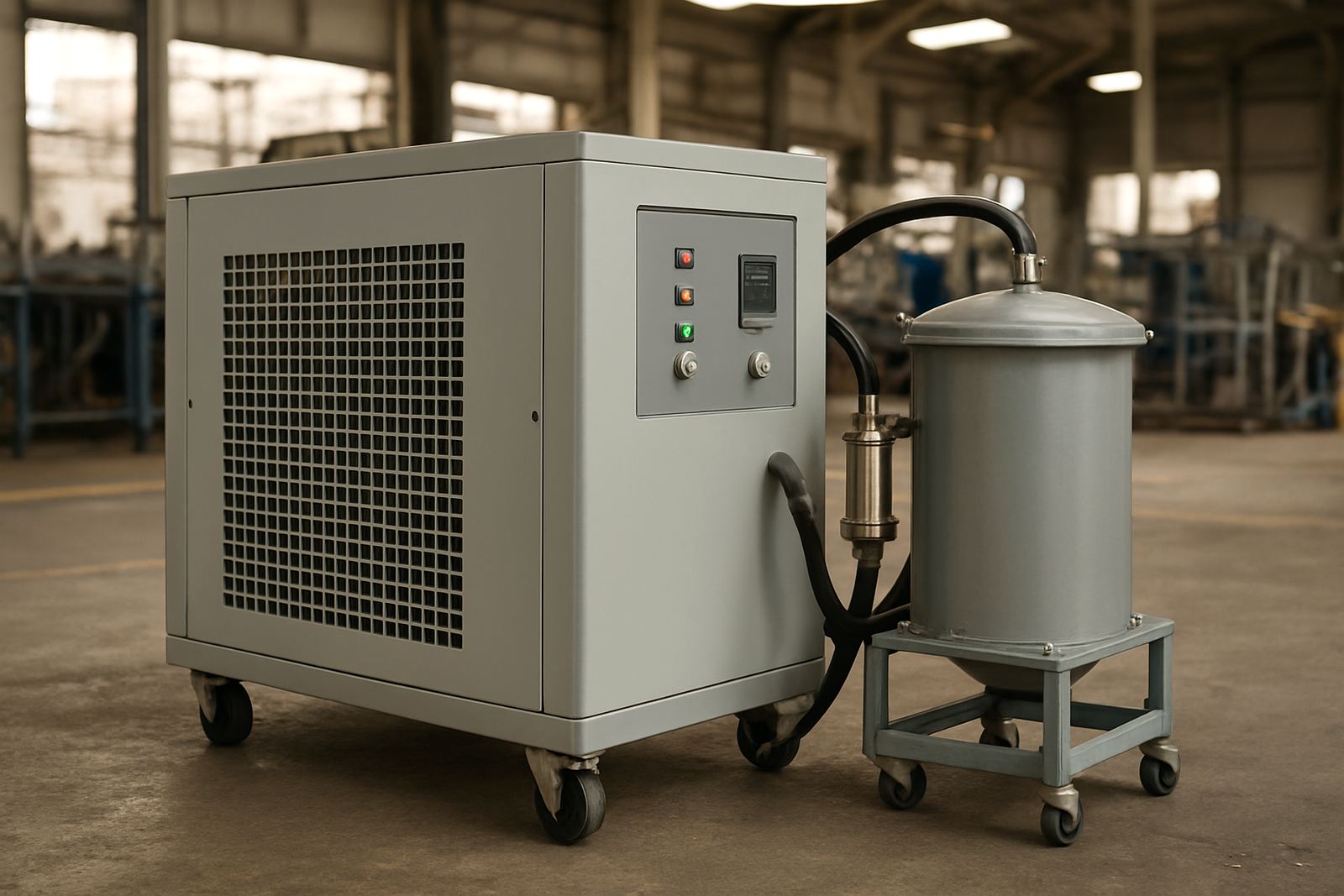
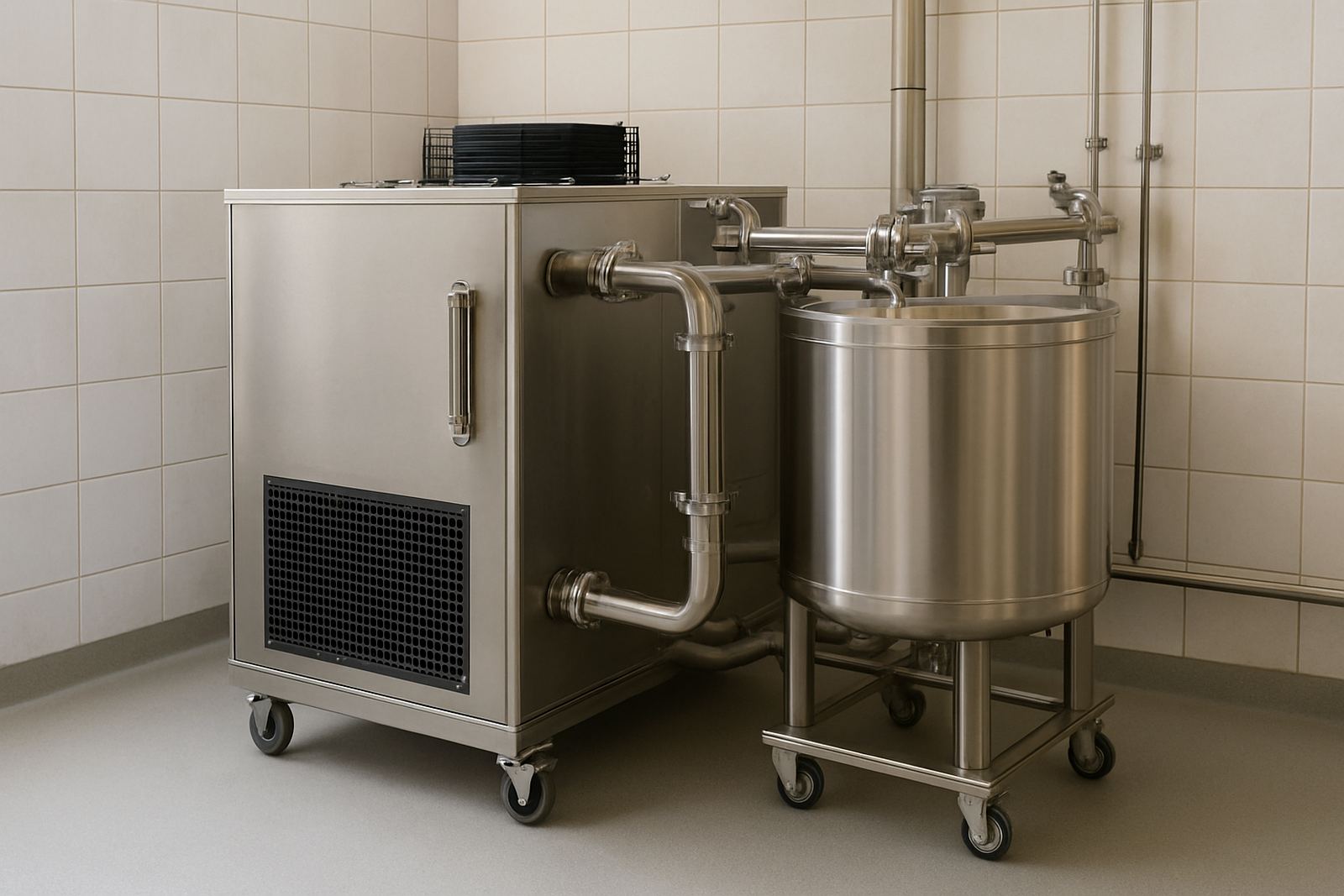
A stainless tank chiller combines a chilled water unit with a stainless steel reservoir, giving the system a water contact surface that handles demanding industrial use better than mild steel in many wet environments. For plants in Alberton, Johannesburg, Pretoria, Durban, Cape Town and Rustenburg, this matters when water quality changes, the plant runs long shifts, or equipment sits near heat, dust and humidity.
The tank stores chilled water and helps stabilise flow to the process. That is useful for lasers where temperature drift affects beam consistency, moulds where cycle control matters, and process lines that need repeatable cooling through the day. The stainless construction helps reduce corrosion risk and makes regular cleaning easier, especially where topping up is frequent or water treatment is not always perfect.
We supply these units for industrial duty, not light commercial use. The aim is steady temperature control, practical access for maintenance, and enough capacity to support the process without oversizing the plant room. On some sites the tank also acts as a buffer during load-shedding recovery or when a line starts up and water demand rises quickly.
Typical Sizes, Tank Options and Build Choices
Stainless tank chillers are usually selected by reservoir volume, cooling duty, pump pressure and the number of loads being served. Common tank sizes include compact units for single machines and larger reservoirs for multi-point systems. The right size depends on heat load, duty cycle and how quickly the process changes temperature.
- Small reservoir options for single laser heads or compact mould loops
- Medium tanks for one to three process users on the same chilled water circuit
- Larger storage options for batch production, multiple moulds, or wider plant cooling duties
- Single circuit or dual circuit layouts depending on flow and temperature control needs
- Insulated tanks for better hold times in hot plant rooms
- Top access, inspection ports and drain points for easier maintenance
We also look at the finish and fittings. Stainless water contact surfaces are useful where clean-down is part of the routine, or where the site has coastal humidity and a higher risk of external corrosion. If the application needs a particular fitting arrangement, we can match the pipework connection points, pump direction and service access to suit the area around the machine.
Where This Chiller Works Best
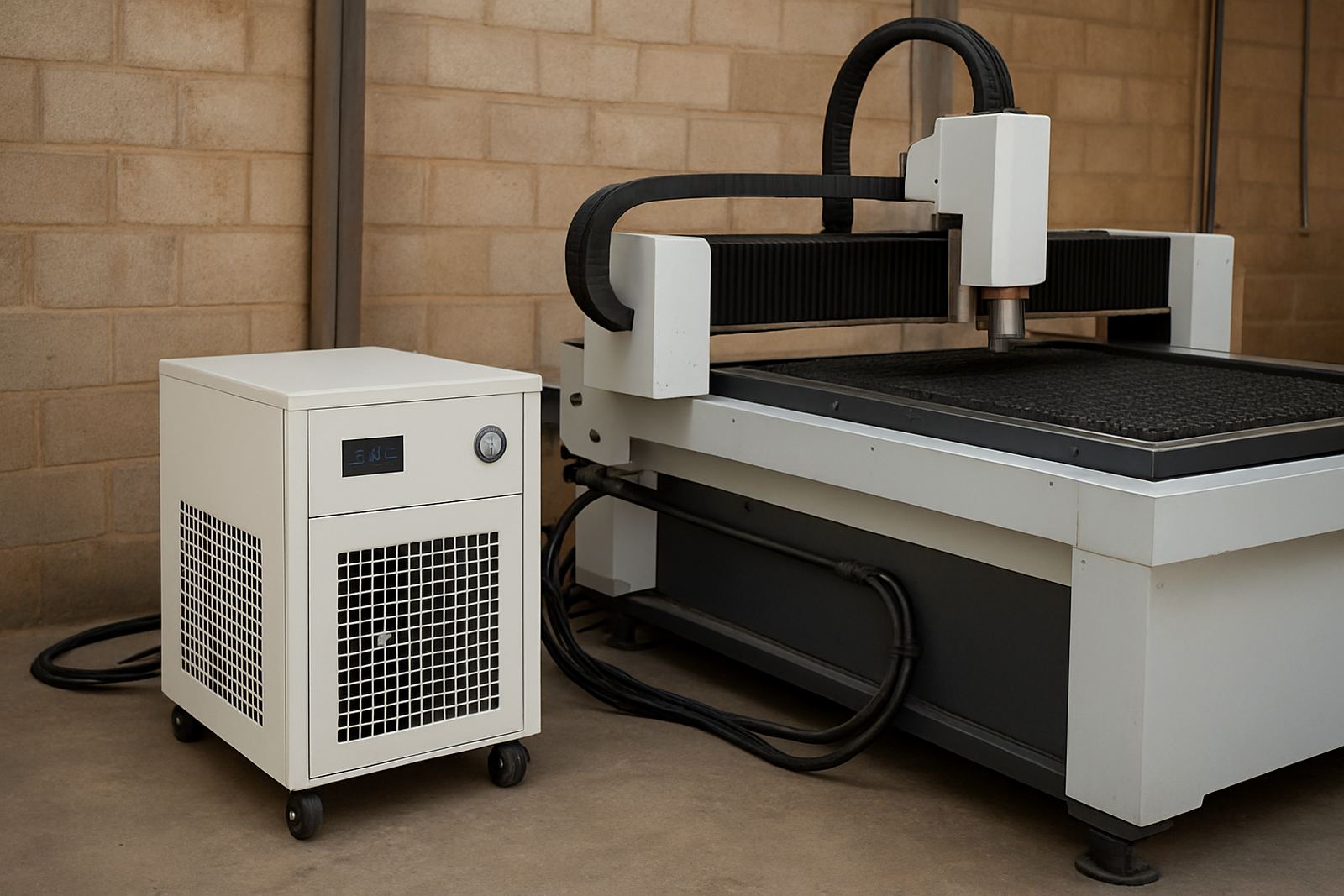
This product suits industries that need clean, stable cooling water and do not want the reservoir material to become a weak point. It is commonly used on laser cutting and marking equipment, injection and compression moulding, packaging lines, processing skids and other equipment that depends on controlled water temperature to stay in spec.
It is a good fit for sites where water quality is variable or where the equipment sits in a harsher environment, such as fabrication shops, coastal plants, or busy workshops with dust and overspray. In Durban or Cape Town, salt in the air can be a real issue. In Gauteng, the challenge is often heat, long operating hours and water contamination from poor housekeeping or old pipework.
Some clients choose stainless tank chillers for food related, chemical or hygiene sensitive processes, while others choose them simply because they want better service life and easier cleaning. If the plant has repeated scale build-up or rust staining, the tank material choice can make a visible difference over time.
Installation, Utilities and Site Preparation
Installation starts with checking where the unit will sit, how water will return, and whether there is enough space for service access. The floor must take the filled weight of the tank, and the route for pipework should avoid unnecessary bends or long runs that add pressure loss. On some sites we also need to confirm drain access and ventilation around the compressor section.
- Single-phase or three-phase power depending on the cooling duty
- Dedicated electrical protection and isolator as specified for the load
- Cold water supply and treated water where the process requires it
- Pipework sized for the required flow rate and pressure drop
- Clear space for filter checks, pump access and tank cleaning
- Stable ambient conditions, with allowance for hot plant rooms in summer
Most stainless tank chillers do not need gas on site because the refrigerant circuit is sealed within the unit. If the installation includes heat rejection to water or another connected system, we confirm those details during the sizing stage. For sites affected by load-shedding, we can advise on restart sequencing, staged start-up and temporary cooling while the main plant is down.
Care, Cleaning and Servicing Intervals
Like any industrial cooling system, this unit needs regular checks if you want steady temperature control and long equipment life. A stainless tank makes cleaning easier, but it still needs attention to strainers, filters, water treatment and pump condition. Dirt in the tank or scale in the circuit can reduce flow and put extra load on the compressor and pump.
Routine servicing normally includes checking water quality, tank condition, refrigeration performance, pump operation and control settings. In many plants we recommend planned maintenance before the summer peak or before high output periods start. That avoids breakdowns when the line is already under pressure.
Watch for changing noise levels, slow temperature recovery, higher power draw or frequent alarms. These are often early signs of a blocked strainer, low water level, fouled heat transfer surfaces or a control issue. If the site uses borehole water or recycled water, water treatment checks become even more important.
What to Confirm When You Order
Before ordering, it helps to confirm the exact process duty so the unit is matched correctly. A stainless tank chiller can be sized for very different jobs, and the wrong selection can leave you with poor temperature stability or unnecessary running cost.
- Required chilled water temperature and allowable variation
- Heat load in kW or the machine details for laser, mould or process line
- Required flow rate and pump pressure
- Tank volume and available installation space
- Power supply on site, including voltage and phase
- Water quality, filtration needs and any hygiene or corrosion concerns
- Pipe connection sizes and the distance to the process equipment
If you are upgrading an older cooling setup, send the current unit details, the process operating hours and any repeat fault history. That helps us judge whether the issue is capacity, water condition, control settings or a deeper refrigeration problem. Riaan van der Merwe and the Raynen team in Alrode, Alberton can help with selection, installation and follow up servicing across South Africa.
Key facts
| Reservoir material | Stainless steel water contact surfaces |
|---|---|
| Typical application | Lasers, moulds and process lines |
| Cooling range | Sized to suit process duty and temperature setpoint |
| Supply options | Single-phase or three-phase depending on model |
| Installation type | Floor-mounted industrial unit with service access |
| Service support | Installation, commissioning, maintenance and repairs across South Africa |