Purpose-built cooling for laser tube equipment
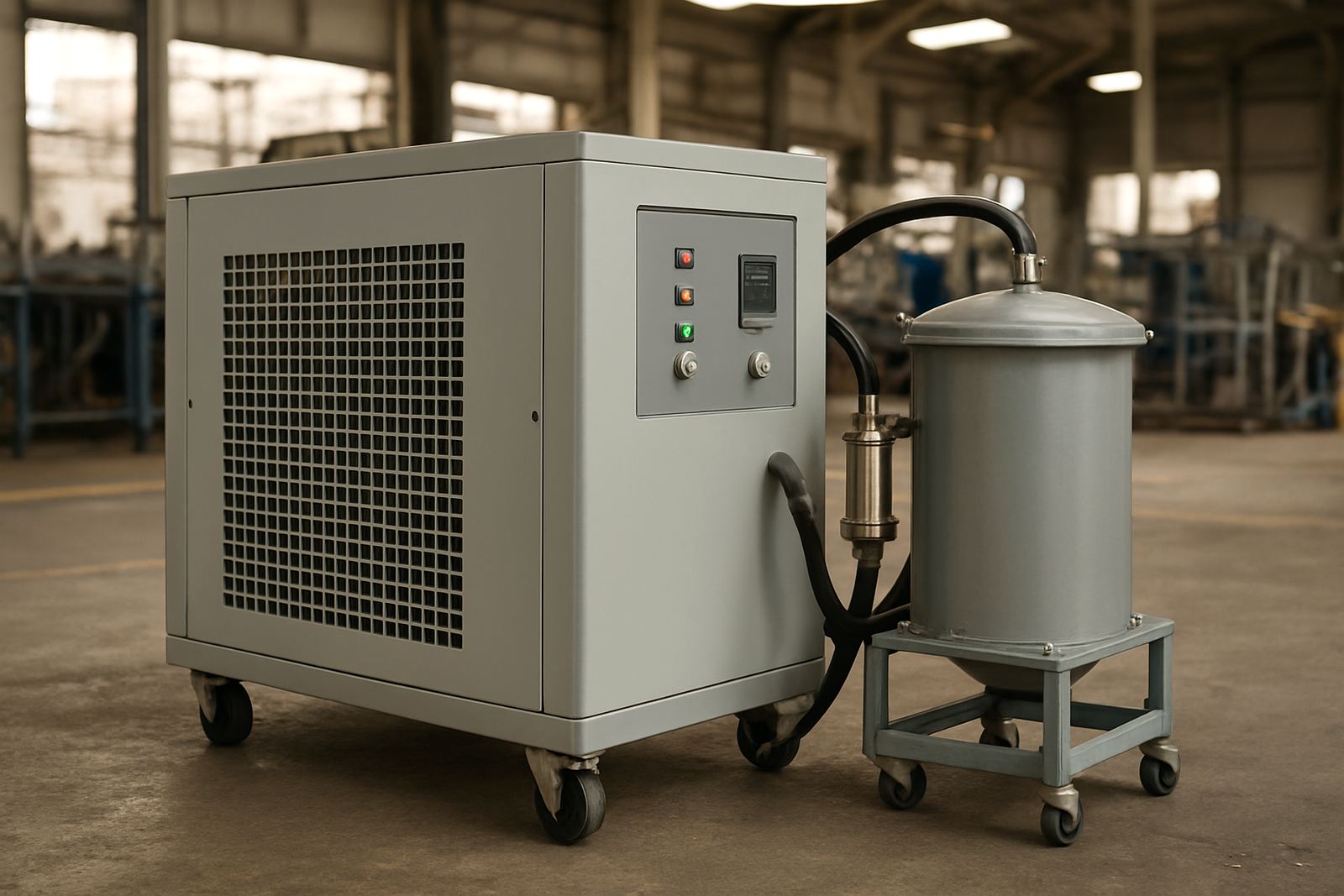
A laser tube chiller keeps the cooling circuit within a controlled range so the tube, optics and associated hardware can work without temperature swings. On laser systems, even a few degrees of drift can affect cut quality, engraving consistency and tube life. That is why this product is specified for steady duty, not general purpose cooling.
Raynen supplies industrial water chillers for laser tube applications where the process runs for long shifts, often in warm rooms or dusty factory spaces. The unit is selected to suit the heat load, ambient conditions and the actual water volume in the loop. In Alberton, Johannesburg and other inland areas where summer temperatures climb, this matters a great deal. Coastal sites in Durban or Cape Town may need extra attention to humidity and corrosion control.
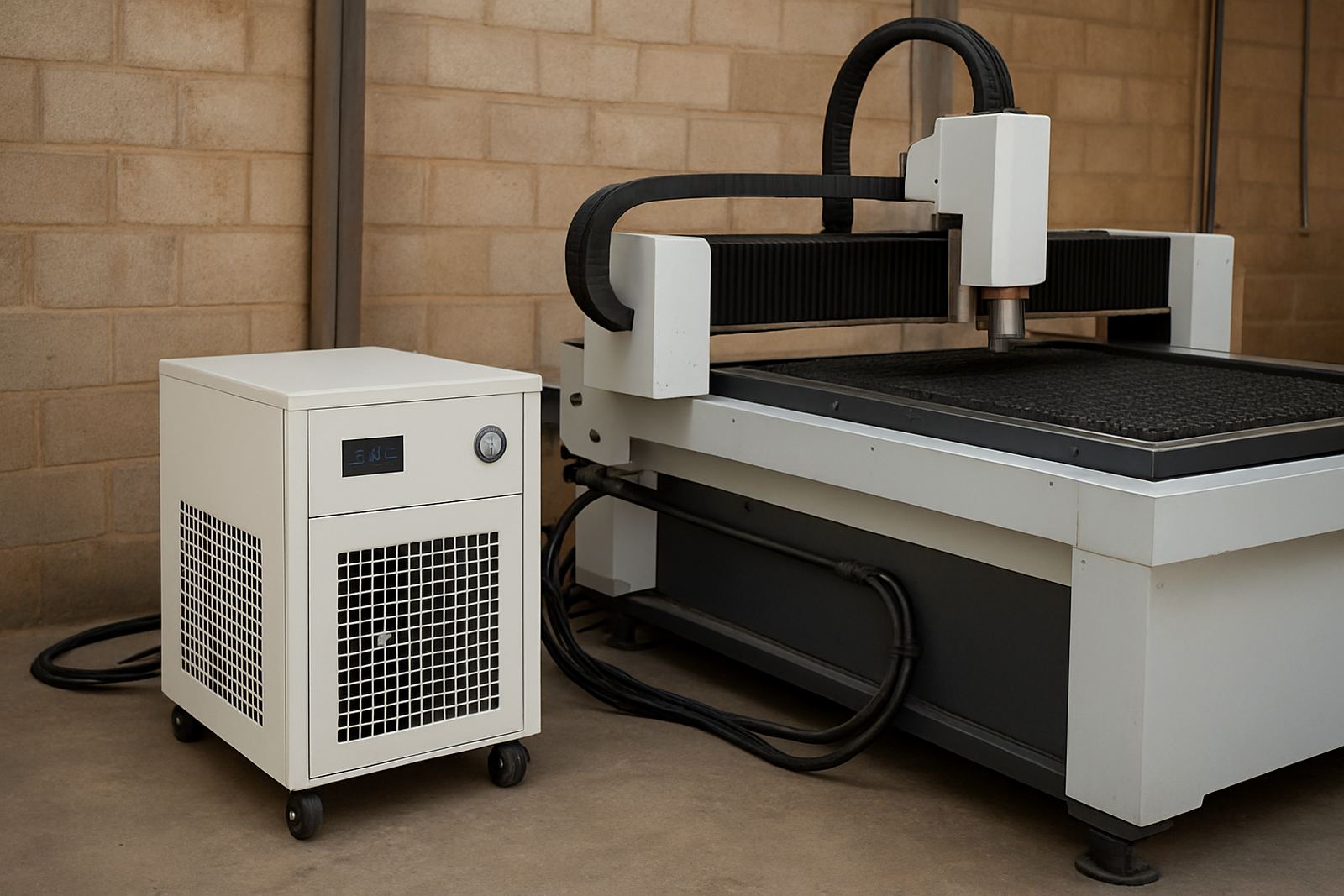
These chillers are commonly used with CO2 laser tube systems, cabinet-mounted laser equipment and production lines where repeatable cooling is critical. They are a practical choice for metal fabrication shops, sign makers, packaging lines and training facilities running several hours a day.
Sizes, cooling capacity and control options
Laser tube chillers are available in several cooling capacities so the machine can be matched to the tube size and operating pattern. A unit that is too small will run flat out and struggle on hot days. A unit that is too large can short cycle, which is also not ideal. The right selection depends on laser power, heat rejection, ambient air temperature and the stability needed at the machine.
Typical options can include a compact unit for single laser tube systems, a mid-size chiller for medium duty production, and a larger industrial unit for higher heat loads or multiple connected circuits. Control options may include digital temperature setting, alarm indication, flow monitoring and fault protection. Some units can be fitted with remote start interlocks, alarm contacts or integration to the laser machine controls.
- Set temperature control for stable coolant delivery
- Visible fault indication for high temp, low flow or pump issues
- Durable circulation pump sized for the pipe run and height change
- Air-cooled design for straightforward installation in plant rooms or workshops
- Optional finer temperature tolerance where the process is sensitive
For sites affected by load-shedding, a chiller should also be considered as part of the full power plan. If the laser stops but the tube still holds heat, restart behaviour becomes important, and the cooling circuit should recover quickly once power returns.
Where it suits in South African production
This type of chiller suits businesses that need stable cooling on laser tube equipment used for cutting, marking or engraving. It is especially useful where the machine runs for long periods, or where more than one shift depends on the same laser. Workshops in Germiston, Boksburg and Alberton often want a unit that can cope with dust, heat and daily cycling without constant attention.
It also suits locations where water quality is a concern. Hard water, sediment and untreated top-up water can cause scaling inside the circuit, which reduces heat transfer and can block small passages. On coastal sites, corrosion protection becomes part of the maintenance plan too. The chiller should work with clean treated water and properly rated hose or pipe connections.
Use cases include:
- Single laser tube machines in small fabrication shops
- Production lines with repeated start-stop cycles
- Systems that need stable cooling during long engraving runs
- Facilities where ambient temperature changes through the day
- Operations that need back-up or temporary cooling during repairs
For users in Pretoria, Rustenburg, Durban, Cape Town and across Gauteng, the aim is the same: keep the laser tube within its working temperature band and avoid avoidable downtime.
Installation, power supply and site needs
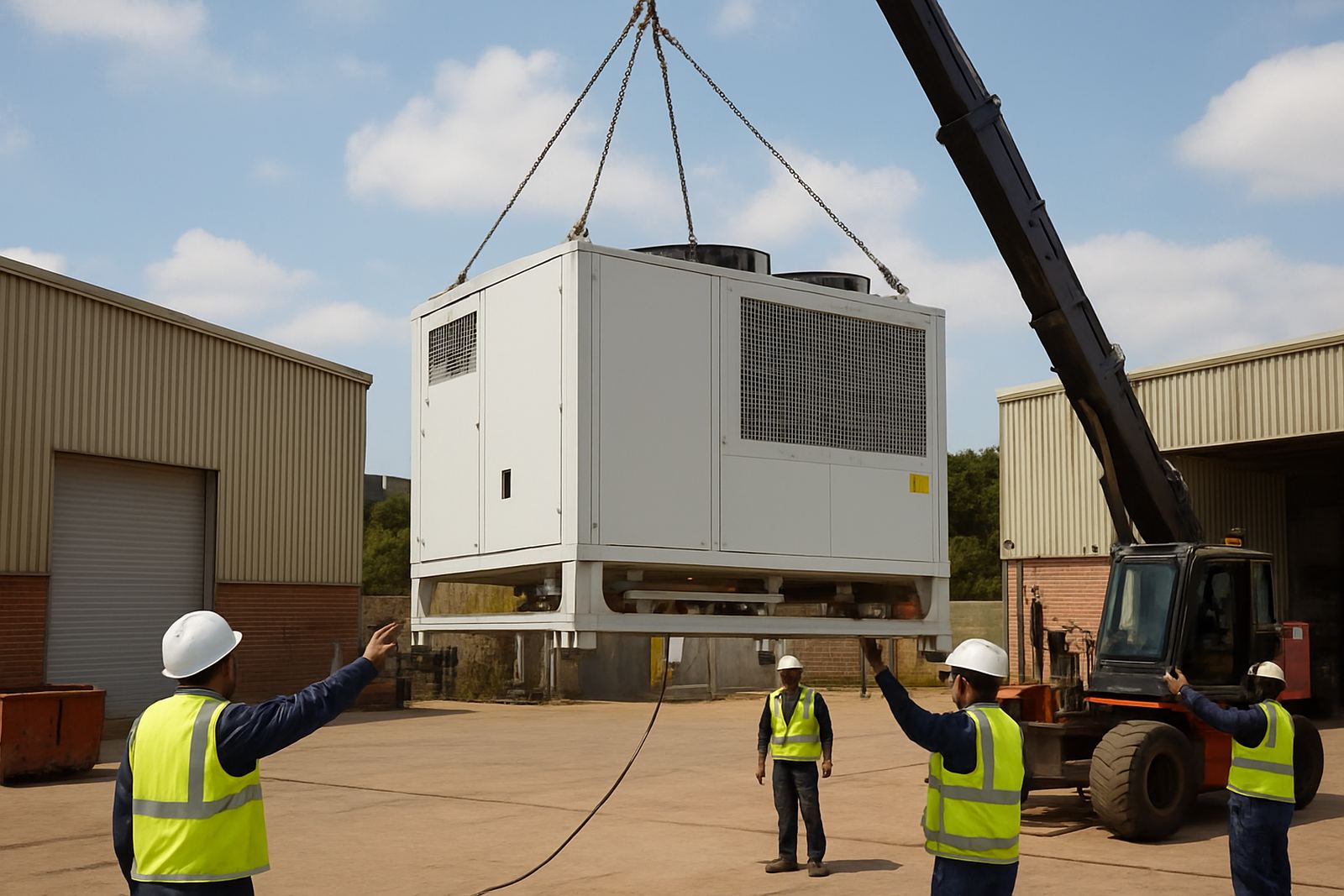
Correct installation is just as important as the chiller itself. The unit must be positioned with enough ventilation for the condenser or heat exchanger to breathe properly, and the pipe run to the laser should be kept neat, short and protected. If the chiller is placed too close to a hot wall or in a cramped corner, performance will suffer. Allow for service access at the front and around the sides.
Most industrial water chillers for laser tube equipment are air-cooled and need a suitable electrical supply, with protection sized to the actual unit. Power requirements vary by model, so the correct voltage, phase and breaker size must be checked before delivery. If the site has unstable supply or generator changeover, that should be discussed during selection. A voltage fluctuation can trip the unit, and in some cases damage the controls.
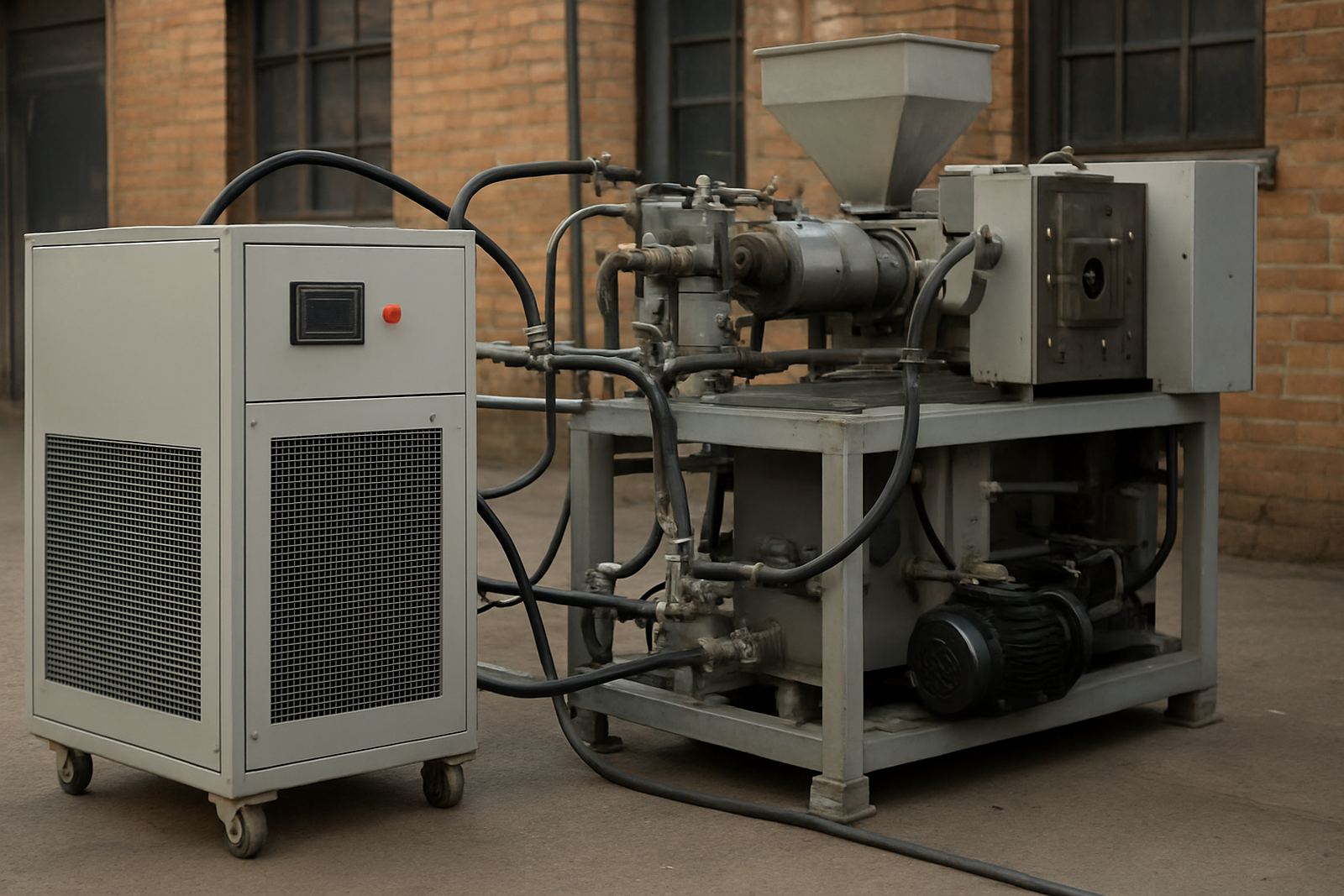
Gas is not usually required for the chiller itself. What does matter is the water side. The circuit should be filled with clean treated water, with the correct inhibitor or coolant mix if specified for the application. Hose size, clamp quality and the height difference between the chiller and laser should all be checked, because poor pipework can lead to cavitation, poor flow or nuisance alarms.
Servicing, water treatment and upkeep
A laser tube chiller should be maintained before faults start showing at the machine. Preventative maintenance helps keep the compressor, pump, fans and sensors in good condition. Dust build-up is common in South African workshops, and blocked coils can raise operating temperature quickly during summer. In busy plants, a monthly visual check and a planned service interval make sense.
Servicing usually includes cleaning the condenser, checking fan operation, inspecting flow and temperature sensors, testing alarms and checking for leaks. Water treatment matters too. If the coolant is dirty, overused or mixed incorrectly, it can leave scale or sludge in the system. That can affect pump life and reduce cooling capacity. In some sites, a water treatment check should be part of the service plan rather than an afterthought.
- Check filters, strainers and sight points on a regular basis
- Keep the radiator or coil clear of dust and lint
- Test alarm trips before a production run
- Inspect hoses for bulges, cracks or rubbing points
- Drain and refill the circuit if water quality has degraded
For plants that cannot stop production, temporary cooling can be arranged while repairs or upgrades are carried out. That helps keep the laser section moving while the main unit is being worked on.
What to check before you order
To specify the right laser tube chiller, start with the laser machine details and the actual working conditions. The model needs to suit the tube heat load, ambient temperature and the length of the pipe run. If the machine runs in a warm area, or if it has already been modified, the original supplier data may not be enough. A cooling audit can help confirm the correct selection.
Useful details to have ready include the laser type, tube length and power rating, expected duty cycle, room temperature, supply voltage and any special control requirements. If the machine needs remote alarm contact, low temperature protection or tight temperature tolerance, mention that early. If the site has a history of load-shedding, say so. It changes the way the controls and restart behaviour should be set up.
Before placing the order, check:
- Laser tube size and heat output
- Required temperature range and tolerance
- Voltage, phase and breaker capacity
- Available floor space and ventilation
- Pipe size, routing and height difference
- Whether the site needs installation, commissioning or training
Raynen supplies and services industrial water chillers from Alrode, Alberton, with support across Johannesburg, Pretoria, Durban, Cape Town and Rustenburg. If you need a stable cooling unit for a laser tube system, the right specification up front saves time later and reduces the chance of stoppages. A well matched chiller is not just a box of cold water, it is part of the machine's working life.
Key facts
| Product type | Industrial water chiller for laser tube cooling |
|---|---|
| Cooling capacity range | Selected to suit small, medium and higher duty laser tube systems |
| Temperature control | Digital setpoint control with fault protection |
| Pump arrangement | Matched circulation pump for stable flow through the laser circuit |
| Power supply | Model dependent, confirm voltage and phase before ordering |
| Typical applications | Laser tube machines, engraving lines, cutting cells and repeated duty production |