Low temperature control for demanding process work
A low temp chiller is a purpose-built cooling unit that holds process water at a lower setpoint, with better control than a general purpose chiller. That matters when a laser source, mould circuit or production line needs steady cooling to avoid drift, overheating or poor finish. In South African plants, the load can change quickly during long summer runs, and many sites also deal with dust, warm ambient air, and voltage dips. A well matched unit helps keep the process stable.
These chillers are used where standard cooling water is not enough, or where the process needs a tighter band and faster pull-down after start-up. They can be set up for continuous duty, with controls that watch supply and return temperatures, flow and alarms. For many customers in Johannesburg, Pretoria, Durban, Cape Town and Rustenburg, the aim is simple: keep output consistent and reduce interruptions.
Where a low temp chiller suits best
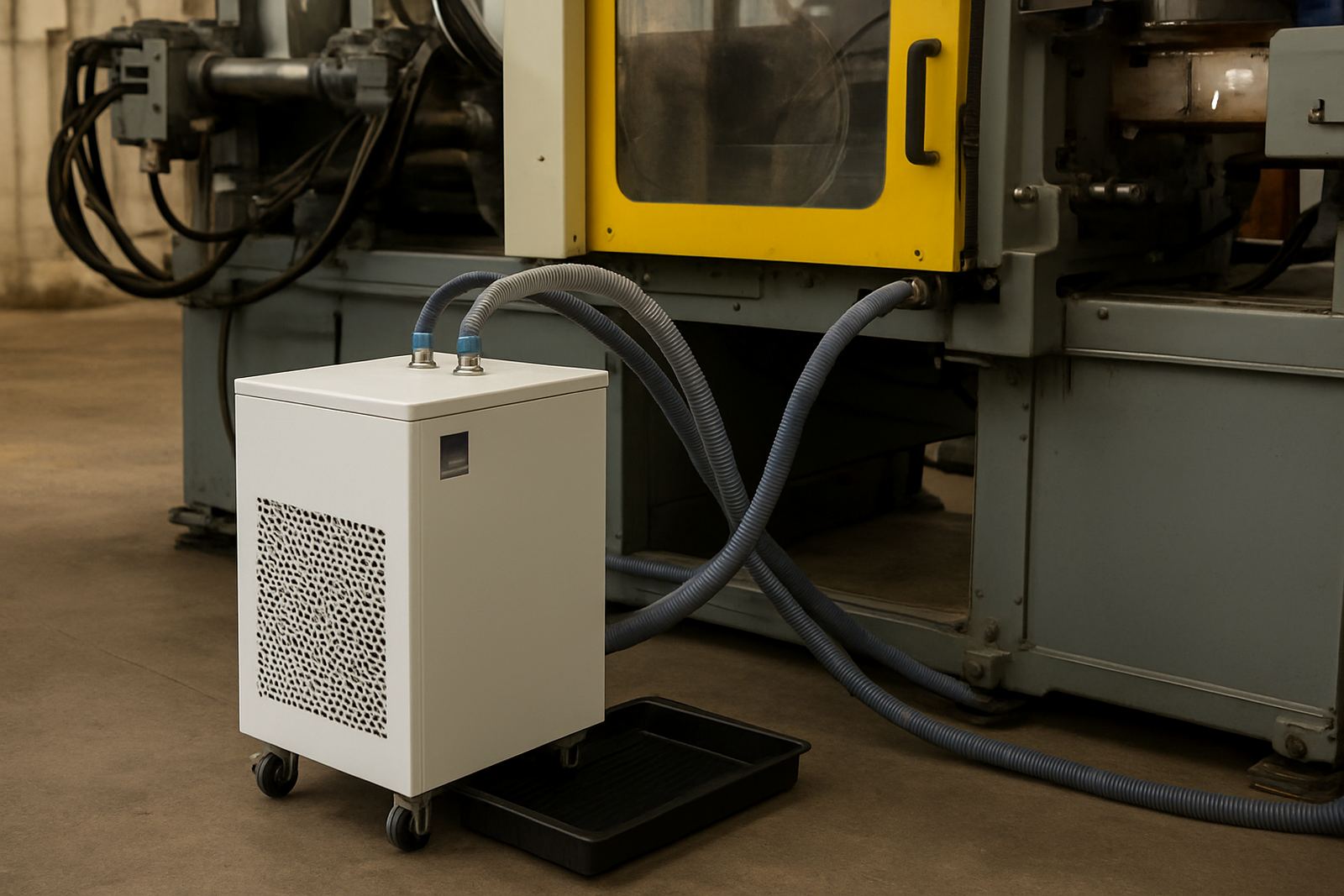
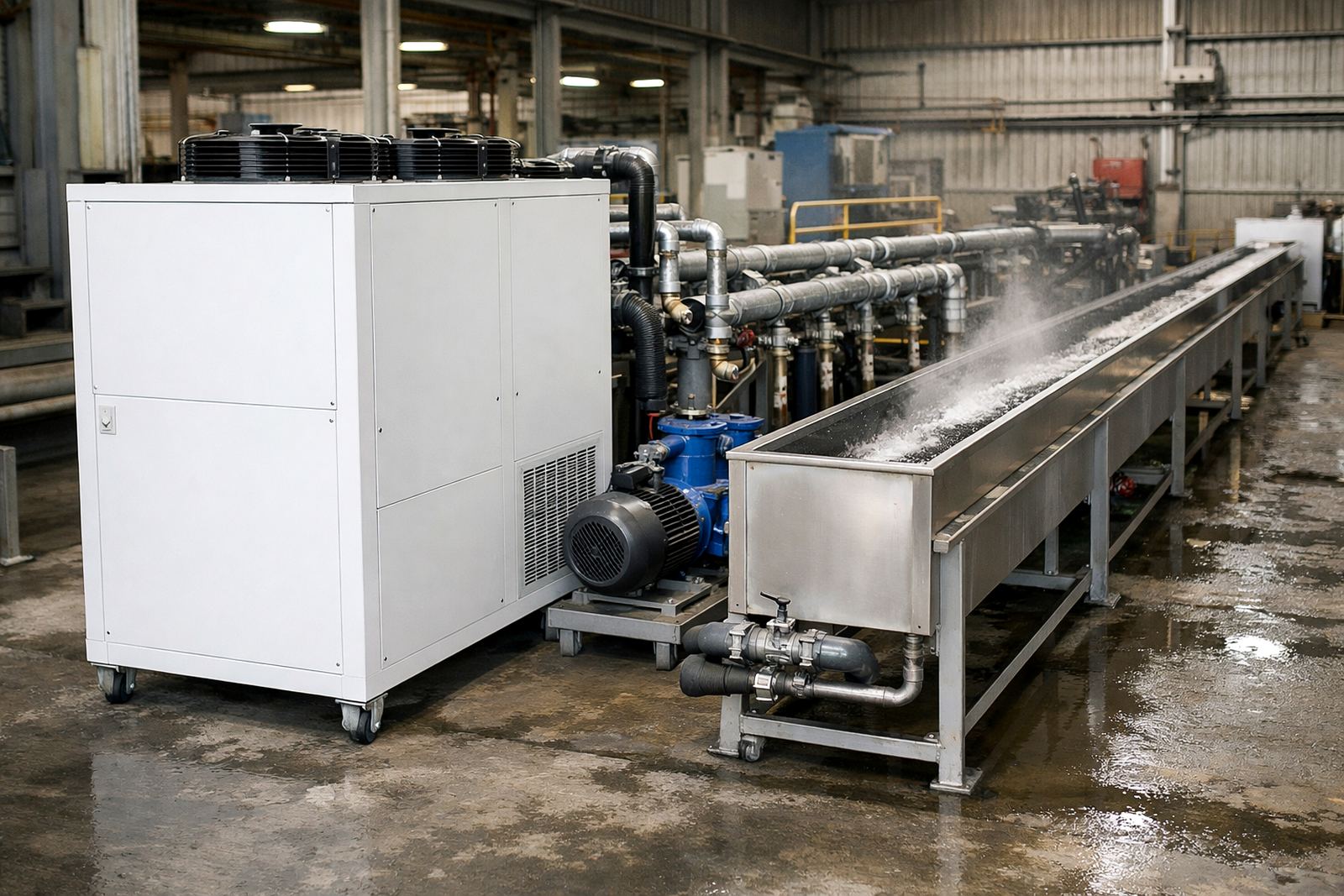
Low temp units are commonly used on laser equipment, mould temperature control loops, extrusion lines, packaging machines, and other process systems that run for long hours. They are also useful where product quality depends on a narrow temperature range, such as moulded parts with tight tolerances or laser operations that must keep optics and source temperatures under control.
In coastal areas like Durban and Cape Town, humidity can add extra strain to cooling plant, while inland sites in Alberton, Germiston and Boksburg may face dust and heat soak from nearby plant rooms. A correctly sized chiller, with proper airflow and clean water, is usually the difference between stable production and nuisance trips.
- Laser cutting and marking systems
- Plastic moulds and die cooling
- Process lines with 24 hour running cycles
- Small to medium industrial plant rooms
- Temporary cooling during breakdowns or upgrades
Sizes, options and temperature range
Raynen supplies low temp chillers in several sizes so the unit can be matched to the actual heat load and site conditions. Smaller systems suit individual machines or compact production cells, while larger units are used for shared loops and higher duty applications. Selection depends on the required cooling capacity, water flow, target temperature and ambient conditions in the room or yard.
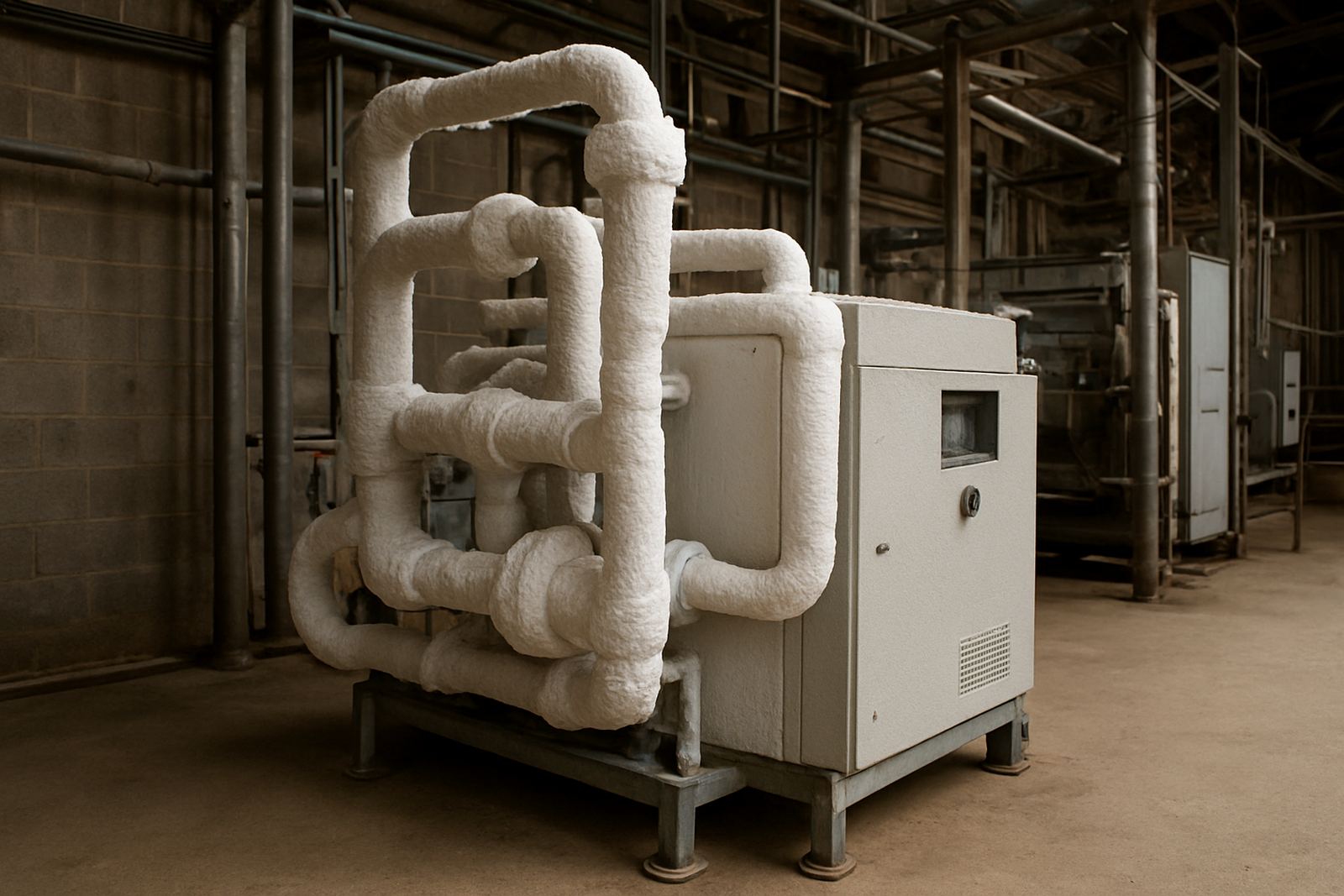
Options can include stainless or coated water circuits, built in filtration, remote alarms, insulated tanks, and controls for tighter temperature regulation. Where the process needs it, the unit can be configured for low water temperatures with anti-freeze protection. This is important for sites running below the normal chilled water range, because the fluid mix and control settings must be correct or the system can freeze up.
- Cooling capacities matched to machine load and duty cycle
- Setpoint control for low temperature process water
- Air cooled and water cooled options depending on site layout
- Single unit or manifolded systems for multiple machines
- Low ambient and high ambient configurations
Installation, power and site requirements
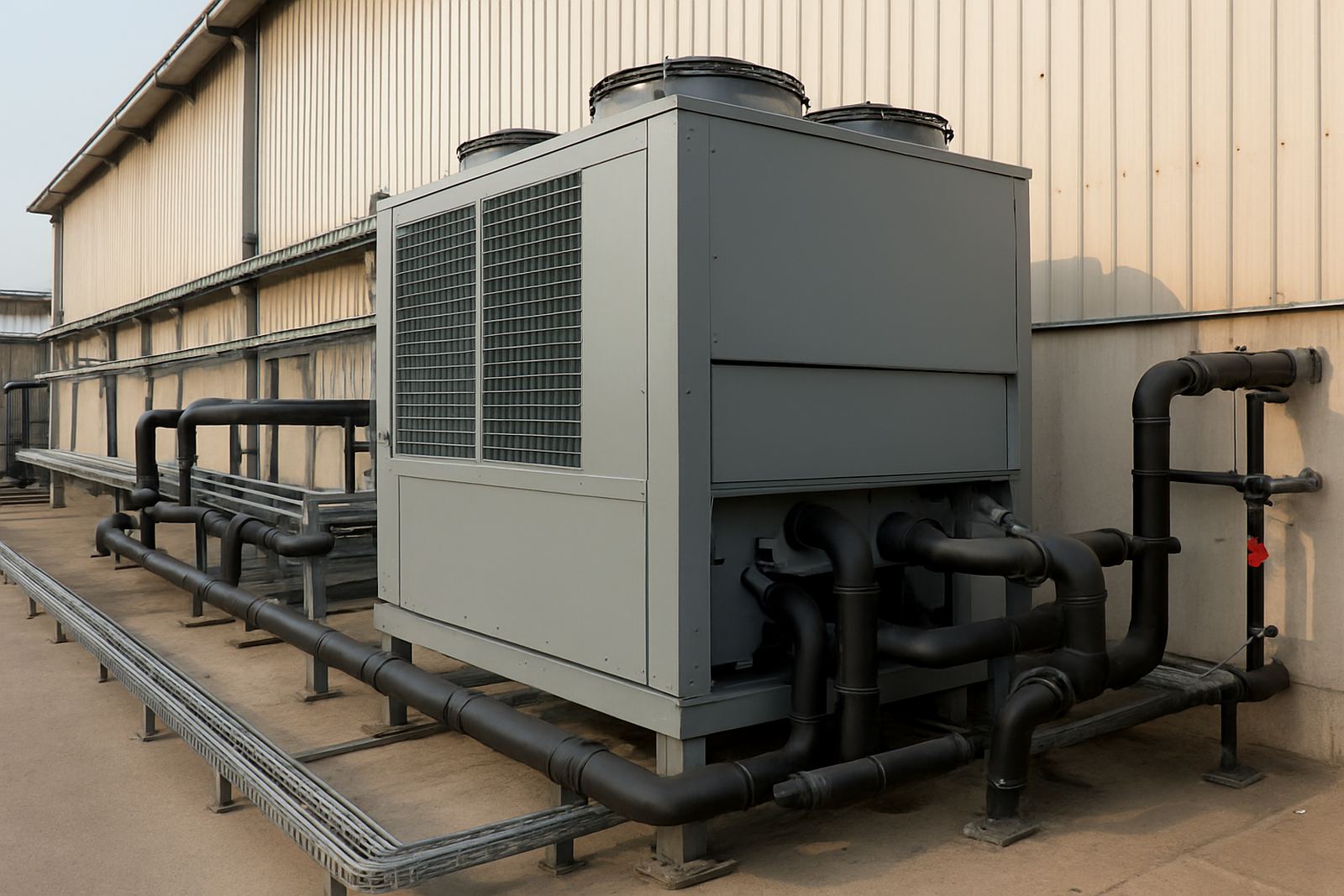
Installation should start with a proper cooling audit. The technician checks the heat load, pipe sizes, water quality, available space, ventilation and electrical supply before final placement. If the unit sits in a plant room, there must be enough clearance for service access and adequate fresh air movement. If it is outdoors, it needs weather protection and a stable base. In many cases the chiller also needs vibration isolation, especially where pipework runs through light structures.
Power needs depend on the model and duty. Most sites will need a suitable three phase supply, correct breaker sizing, and protection against supply dips. Where the process must keep running during load-shedding or grid instability, backup power planning becomes part of the job. Some installations need dry cooler support, buffer tanks, or temporary cooling arrangements during changeover works. Pipework, valves and strainers must be selected properly, otherwise the best chiller will still struggle.
Gas handling is not usually a user task, but the refrigeration circuit must be installed and checked by a competent technician. Refrigerant charge, pressure settings and leak checks all matter. If the system is moved or extended later, the pipework and gas charge must be reviewed again.
Care, maintenance and service intervals
Low temp chillers need routine care to keep performance steady. Dirty condensers, blocked strainers, poor water treatment and low flow are common causes of trouble. In plant rooms with dust or fibre, the coil and filters should be cleaned more often. At coastal sites, corrosion checks are important as salt air can shorten component life if the unit is not looked after.
Regular service work should include water treatment checks, pump inspection, fan and motor checks, control verification, refrigerant pressure checks, and a look at electrical terminals for heat damage. If the system is starting and stopping too often, or if the temperature is drifting, it may need a deeper review of load, flow or pipework. That is usually cheaper than waiting for a breakdown on a Friday afternoon, when everyone wants the line back up fast.
- Clean strainers and water circuits regularly
- Keep condenser fins and airflow paths clear
- Check seals, hoses and pipe supports for wear
- Test alarms, flow switches and temperature controls
- Plan preventative maintenance before peak production periods
What to confirm when ordering
When ordering a low temp chiller, the most useful information is the actual process load, the target water temperature, the return temperature, and whether the unit runs all day or only in batches. It also helps to know the ambient temperature at the site, the available electrical supply, and whether the chiller must fit through a narrow doorway or into an existing plant area. If you have a sketch of the pipe run, that makes selection easier.
Please also confirm whether the system needs temporary cooling during installation, whether there is existing water treatment on site, and if the machine will be used for a laser, mould or process line. The more exact the details, the better the match. A unit that is too small will struggle, and one that is too large can cycle badly and waste power. Ask for the wrong size and you pay for it twice.
- Required cooling capacity in kW or equivalent machine load
- Target supply temperature and acceptable temperature band
- Process type, such as laser, mould or line cooling
- Water quality, glycol need, and pipe size
- Site location, power supply and space constraints
South African supply and servicing support
Raynen is based in Alrode, Alberton and supports customers across South Africa from Johannesburg, Pretoria, Durban, Cape Town and Rustenburg, with service coverage through Alberton Depot, Johannesburg Service, Pretoria Service, Durban Service, Cape Town Service, Rustenburg Service, Germiston Service and Boksburg Service. The team handles installation, commissioning, preventative maintenance, breakdown repairs, refrigeration repairs, pump replacements, water treatment checks, pipework retrofits, control panel upgrades, cooling audits, temporary cooling and operator training.
That local support matters when a process line goes down and the plant needs practical help fast. From the first enquiry through to handover, the aim is to size the chiller properly, install it cleanly, and keep it working in local conditions. Riaan van der Merwe leads the business, with support from Lerato Mokoena, Sibusiso Dlamini, Anika Naidoo, Pieter Joubert, Nomsa Khumalo and Thabo Maseko.
Key facts
| Product type | Low temperature industrial water chiller |
|---|---|
| Typical use | Lasers, moulds and process line cooling |
| Temperature control | Tight setpoint control for low water temperatures |
| Configuration | Air cooled or water cooled options |
| Power supply | Matched to site, usually three phase industrial supply |
| Service support | Installation, commissioning and preventative maintenance across South Africa |