One Chilled Water System For Several Machines
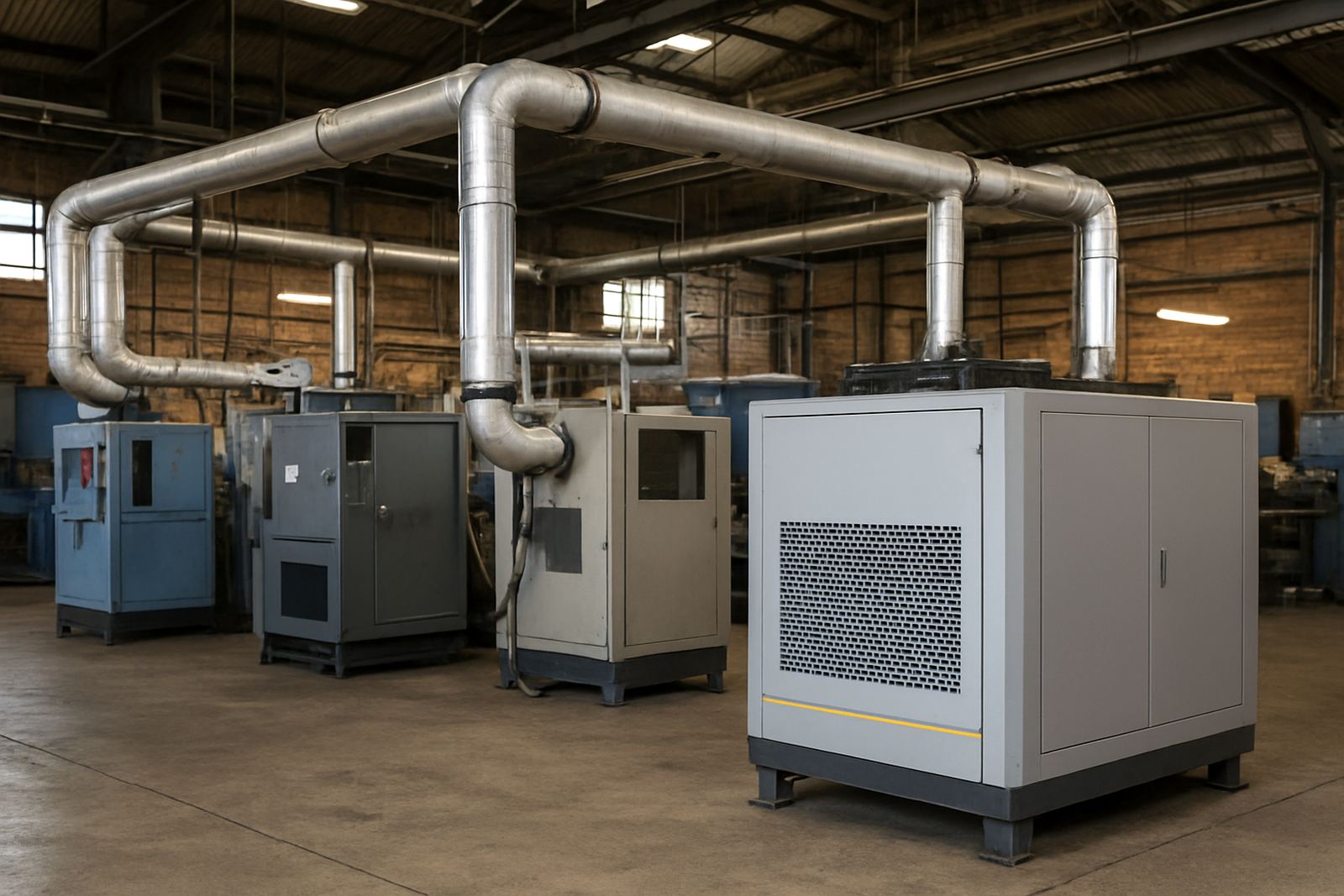
A central process chiller is used when more than one machine needs stable cooling from a single unit. Instead of fitting separate coolers to each laser, moulding machine or process line, one system produces chilled water and sends it through a distribution loop to the equipment that needs it. This gives better control over temperature, flow and running costs, especially in plants where production shifts change often.
These systems are common in plastics, packaging, metal fabrication, food processing and general manufacturing. In South African conditions they help reduce stoppages caused by high ambient temperatures, dust, and load-shedding related restarts. A well sized central unit also makes maintenance simpler because the cooling plant is managed in one place rather than spread across a workshop.
Raynen’s central process chillers are selected for the actual duty, not just a guessed kilowatt figure. We look at the heat load, the number of machines, the distance of pipe runs, the duty cycle and the quality of the water being used.
Typical Sizes, Options And Cooling Capacities
Central process chillers are available in a range of sizes, from compact units for small production cells to larger packaged systems for multiple lines. Selection depends on how much heat must be removed, the required leaving water temperature and whether the plant needs air-cooled or water-cooled operation. In warmer areas like Durban and coastal Cape Town, heat rejection and ambient conditions need more careful planning than in inland towns.
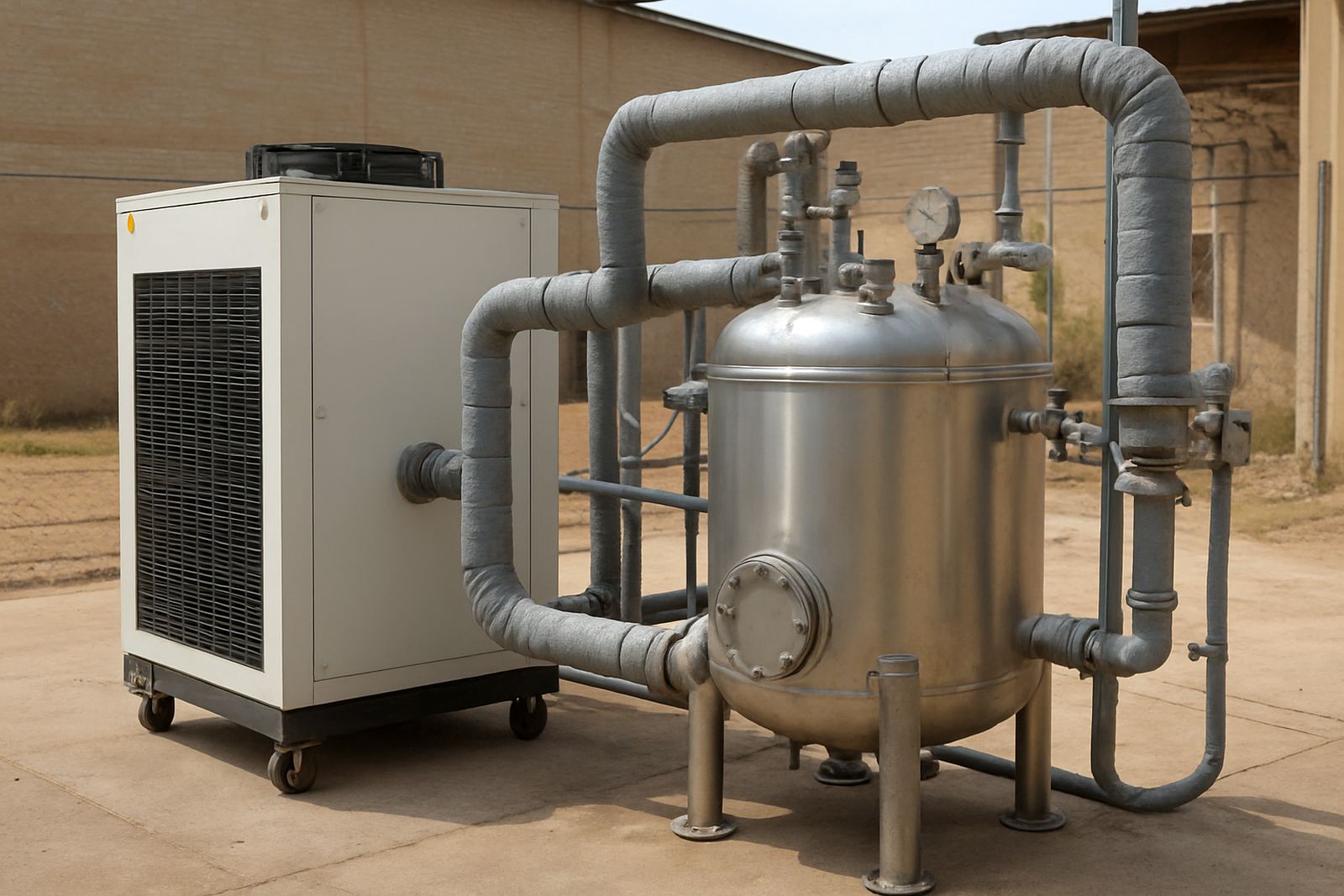
Common options include fixed speed or variable speed compressor control, insulated tanks, pumps matched to pipe resistance, and remote monitoring for temperature and fault conditions. For plants with tight temperature tolerances, a buffer tank may be added to reduce short cycling and improve control.
- Cooling capacity matched to the combined heat load of several machines
- Setpoints commonly in the range of 5°C to 20°C, depending on application
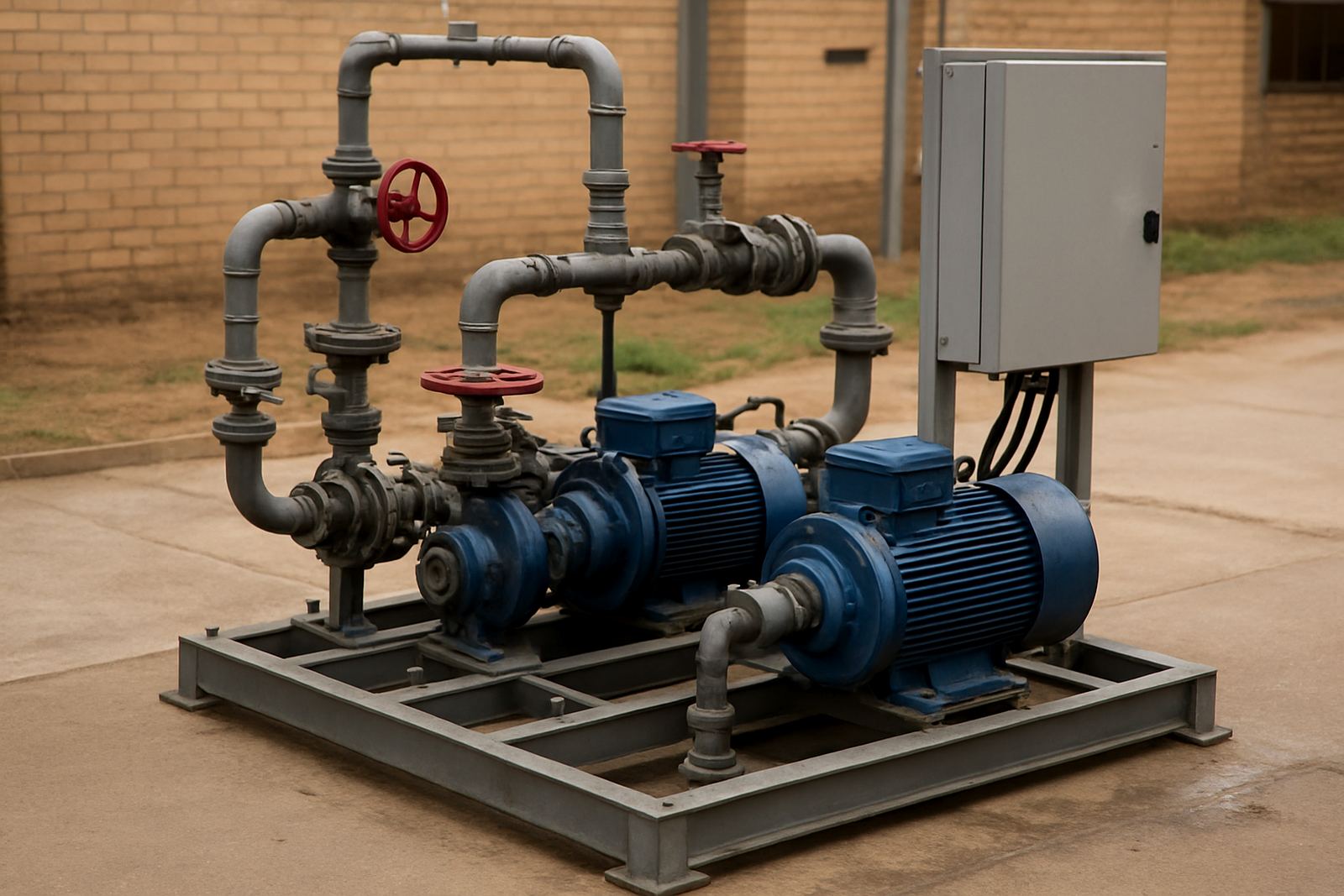
- Single pump or dual pump configurations for standby and duty changeover
- Air-cooled or water-cooled condenser arrangements
- Optional filtration, strainers and water treatment points
We also supply systems where different process circuits need slightly different conditions. In those cases, valves, branches and controls are arranged so each machine receives the right flow without disturbing the rest of the line.
Where Centralised Cooling Works Best
This product suits sites that run several machines from one production area or one building. It is a practical choice when floor space is limited, when operators need a single point of temperature control, or when the business wants easier maintenance planning. A central system is also useful when temporary cooling is needed during plant upgrades, new machine commissioning or breakdown recovery.
It works especially well for mould cooling, laser cooling, extrusion lines, mixers, hydraulic circuits and process water loops. In Gauteng factories, where many plants run long shifts and need quick recovery after power interruptions, a central chiller can be paired with correct water storage and control logic to avoid unnecessary trips. For coastal sites, corrosion resistant materials and proper water care matter just as much as the chiller itself.
- Plastic moulding and injection moulding lines
- Laser cutting and other precision heat-sensitive equipment
- Food, beverage and filling lines where temperature stability is important
- Multi-machine workshops and production bays
- Plants upgrading from several small units to one managed system
Installation, Power Supply And Site Readiness
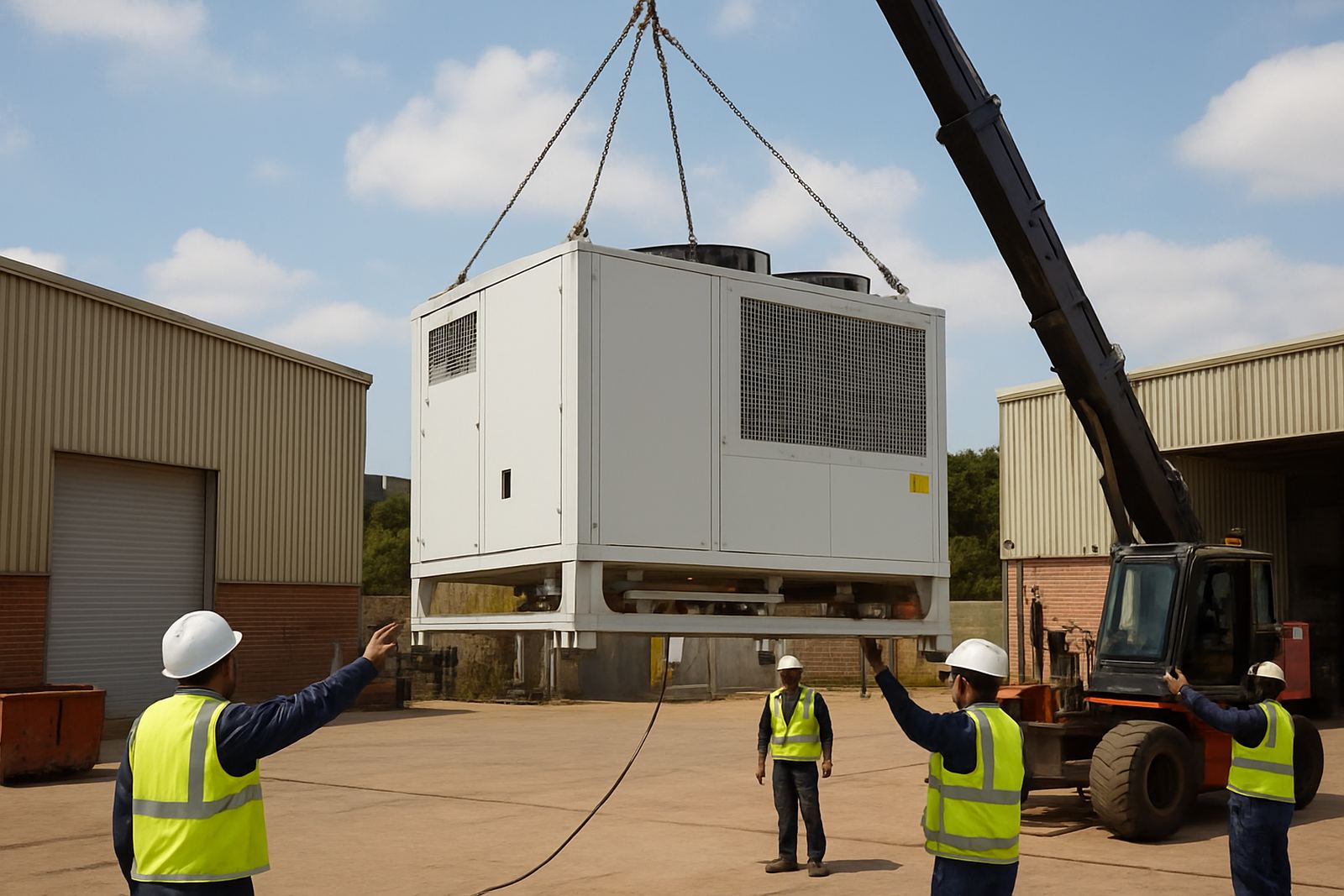
Correct installation starts with a proper site survey. The chiller has to be positioned where there is enough ventilation, safe access for maintenance and enough space around the panels and filters. Pipework needs to be sized correctly so the pump does not work harder than necessary. If the system is undersized or the pipe routes are poor, the machines may still get warm even though the chiller is running.
Power requirements depend on the size of the unit, pump arrangement and control panel load. Most installations need a dedicated electrical supply with correct protection, isolation and earthing. On sites affected by load-shedding, it is wise to consider restart procedures, phase protection and controlled sequencing so compressors and pumps do not come back online under poor supply conditions. Where municipal or borehole water is used, supply pressure and water quality should also be checked before commissioning.
Our team handles installation, system commissioning and operator training so the plant starts correctly and the team on site knows what normal readings should look like.
Care, Water Quality And Servicing Schedule
A central process chiller will only perform properly if it is serviced on time. Dust build-up, scale, blocked strainers and poor water treatment all reduce cooling performance. In South Africa, hard water in some inland areas and salty air in coastal areas can create different problems, so servicing should be based on the actual site rather than a generic checklist.
Raynen provides preventative maintenance, refrigeration repairs, pump replacements, water treatment checks and control panel upgrades. Regular care helps avoid nuisance shutdowns and protects compressors, pumps and valves from early wear.
- Check chilled water temperature and flow weekly
- Clean filters, strainers and condenser surfaces regularly
- Test water quality, corrosion inhibitors and contamination levels
- Inspect electrical terminals and control settings during planned shutdowns
- Record alarms, pressure readings and pump hours for trend tracking
If a plant has repeated trips or unstable temperatures, a cooling audit can show whether the issue is with capacity, pipework, water quality or machine loading. That is usually faster than guessing and swapping parts one by one.
What To Confirm Before Ordering
Before ordering a central process chiller, it helps to gather the right information. This avoids under-sizing the system or leaving out a needed option. The most useful details are the number of machines, the heat load on each machine, desired water temperature, site voltage, available floor space and whether the unit will run indoors or outdoors.
Also check whether the system needs duty and standby pumps, a buffer tank, remote alarms or temporary cooling while the new plant is being installed. If your facility already has older pipework, we may recommend pipework retrofits or control changes so the new chiller can integrate properly. It is also worth confirming who will look after day-to-day checks on site and whether operator training is needed.
Useful ordering information includes:
- Number of machines to be supplied from the chiller
- Required flow rate and target water temperature
- Distance from the chiller to each machine
- Indoor or outdoor installation conditions
- Electrical supply details and any backup power arrangements
- Any special water treatment, corrosion or hygiene requirements
Raynen supplies and services central process chillers from Alberton, with support across Johannesburg, Pretoria, Durban, Cape Town, Rustenburg and nearby industrial areas including Germiston and Boksburg.
Key facts
| Cooling type | Centralised chilled water system for multiple machines |
|---|---|
| Typical application | Lasers, moulds, process lines and multi-machine production areas |
| Temperature range | Commonly 5°C to 20°C, depending on process needs |
| Configuration | Air-cooled or water-cooled, with single or dual pump options |
| Controls | Digital temperature control with alarm and status monitoring |
| Service support | Installation, commissioning, maintenance, repairs and audits across South Africa |