A Compact Indoor Chiller For Controlled Plant Areas
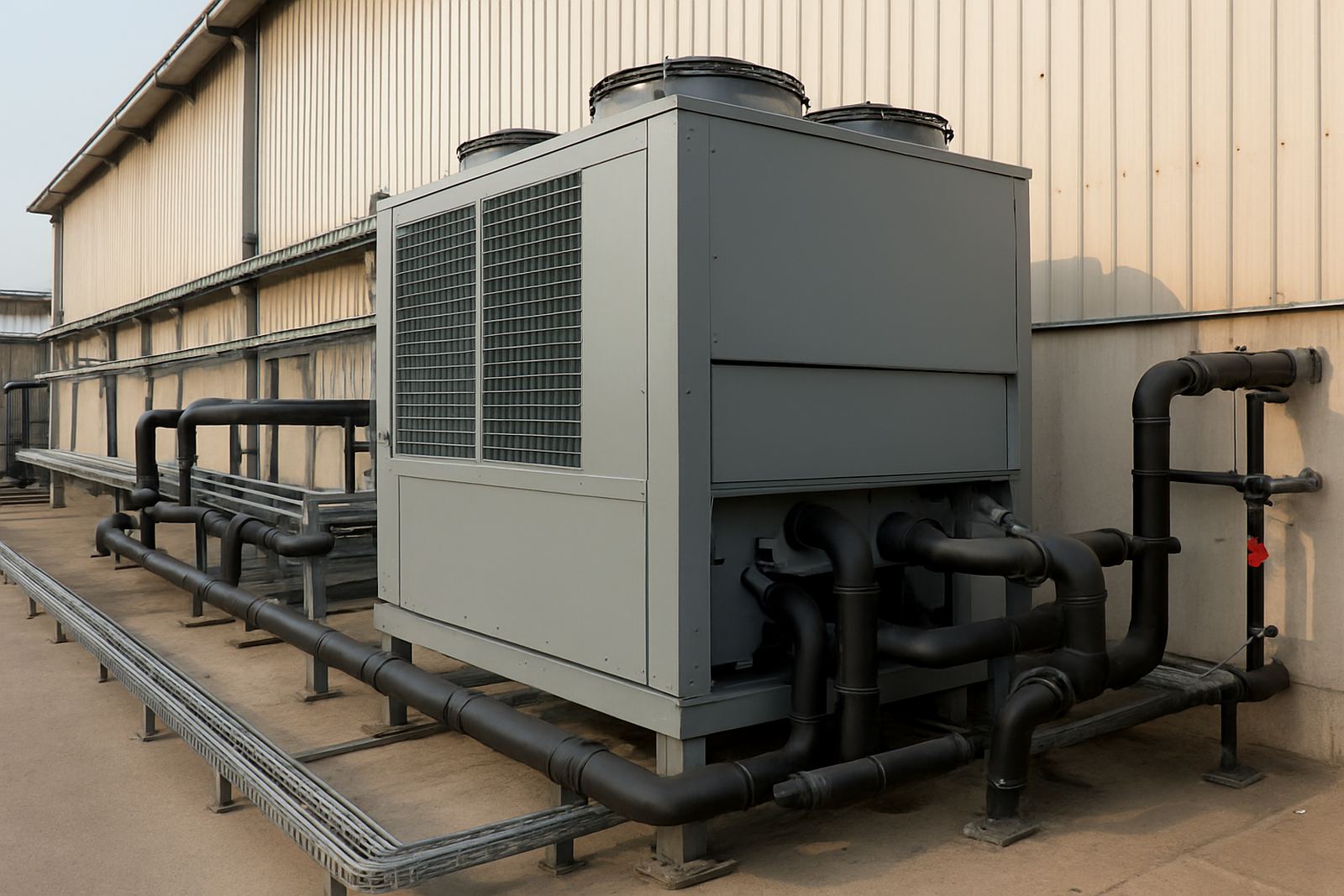
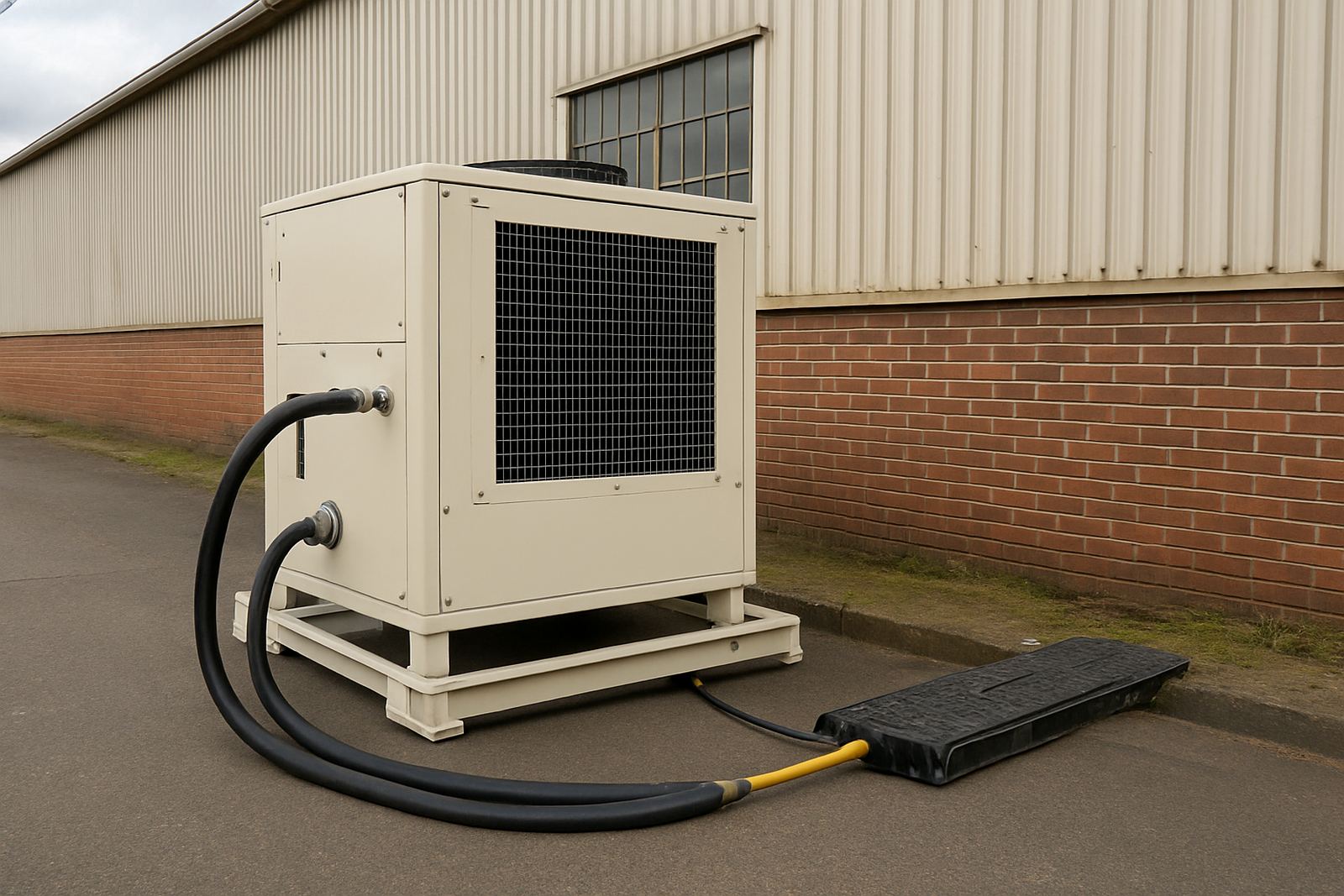
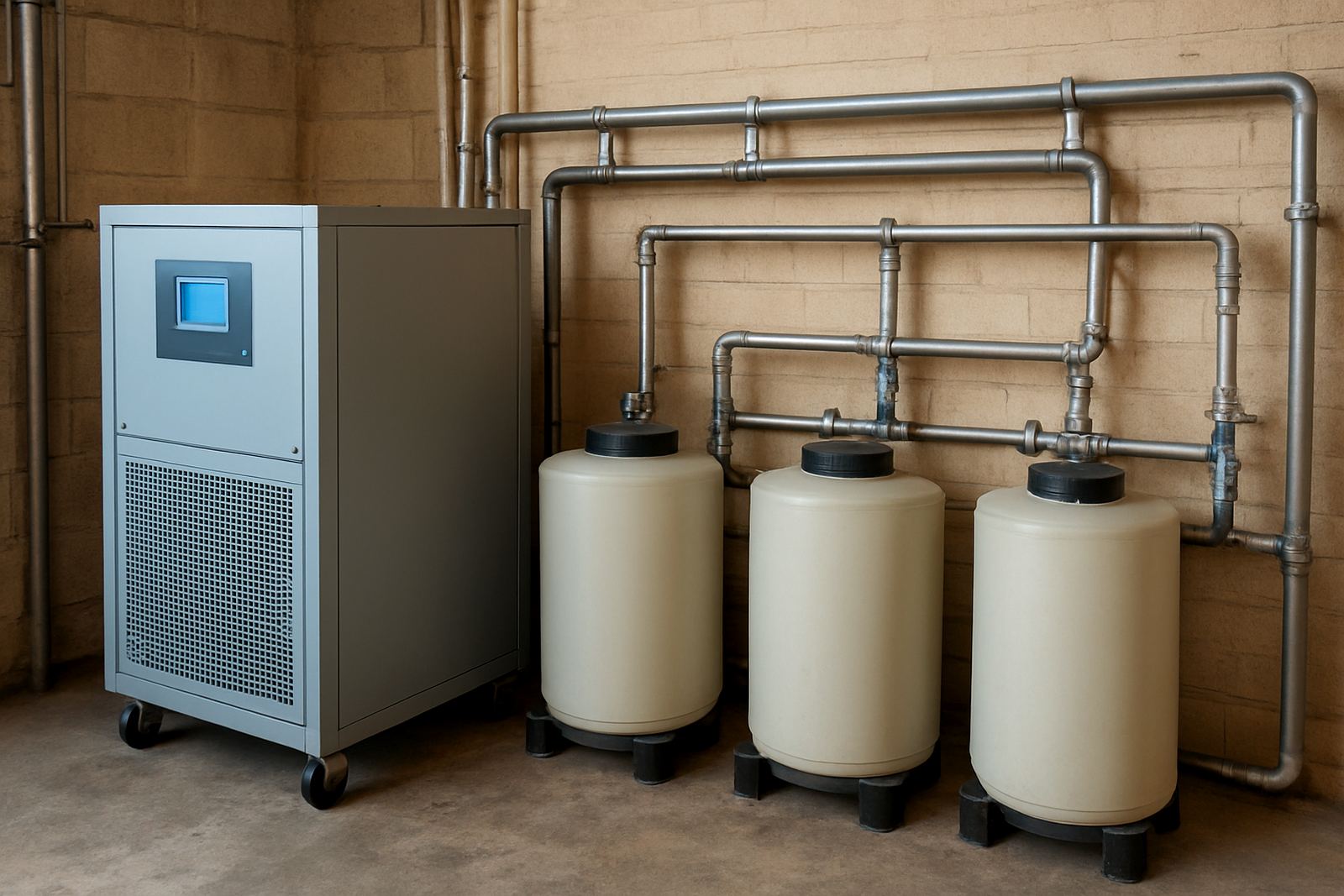
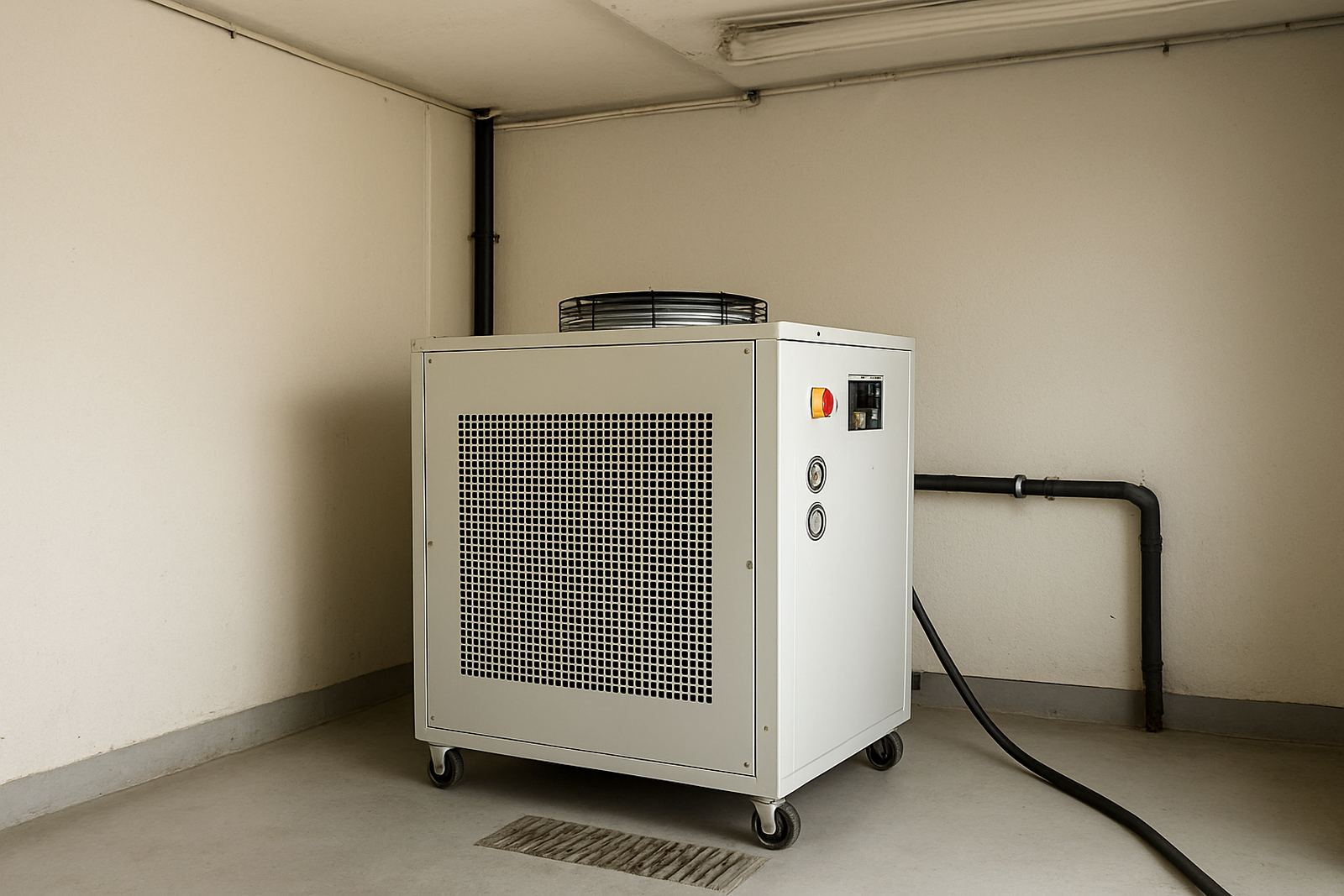
An indoor chiller is a water cooling unit installed inside a plant room, service bay or production area where access can be controlled and pipe runs kept short. At Alrode in Alberton, we often supply these units where the client wants the chiller protected from weather, dust and direct sun, while still keeping it close enough to the process for efficient operation. The low-footprint layout makes it easier to fit into factories with limited space, and it is a practical choice for sites in Johannesburg, Pretoria, Durban, Cape Town and Rustenburg.
These units are used to hold water or a water-glycol mix at a set temperature for lasers, moulding equipment, heat exchangers and process lines. That steady control helps protect components, reduce downtime and keep production quality consistent. In many plants the indoor chiller also makes maintenance simpler because the unit is in a controlled area with better access for service staff, switchgear and pipework.
Sizes, Cooling Duty And Configuration Options
Indoor chillers are available in a range of cooling duties so the unit can be matched to the actual heat load, not just the machine nameplate. Smaller systems are suited to single machines or low-flow duties, while larger units can support multiple circuits, a moulding line or a full process area. We size equipment by considering required water temperature, return temperature, flow rate, ambient conditions and the amount of heat the process adds during each cycle.
Options can include single or dual pumps, insulated tanks, stainless steel pipework in wet areas and controls set for tighter temperature bands. For coastal sites like Durban or Cape Town, we also look at corrosion resistance and salt air exposure around the plant room vents. If the site has unstable power or frequent outages, a unit can be arranged with restart logic and control settings that reduce nuisance trips after supply returns.
Where An Indoor Chiller Suits Best
This type of unit works well where the customer has a secure indoor plant area, a clean production environment or strict access rules. It suits laser cutters, plastic moulding, injection moulds, extrusion lines, induction equipment and other process lines that cannot afford wide temperature swings. It is also useful on sites where outside space is limited or where an outdoor installation would be exposed to dust, vandalism or harsh weather.
For many South African factories, the indoor chiller is the better option when the building layout already includes a service room near the process. Shorter pipe runs can mean less pressure loss, less heat gain and easier fault finding. The unit can be placed where operators and technicians can see alarms and isolate the equipment without walking across the whole factory floor, which helps during busy shifts and planned maintenance stops.
Installation, Power Supply And Site Requirements
Installation starts with the available cooling load, the pipe route and the electrical supply on site. The chiller needs a level base, clear service access and enough space around the unit for airflow and panel access. The plant room must also allow for drainage, safe maintenance access and room to remove filters, pumps or panels when service work is due. If the site has a tight layout, our team can plan the piping and valve positions so the unit can be serviced without unnecessary shutdowns.
Power needs depend on the model and duty, but we always confirm the supply, starting current and protection before installation. Some indoor units are connected to three-phase supply with suitable isolators and overload protection, while others may need control wiring for alarms or remote enable. Gas or refrigeration circuit requirements are handled on the unit itself, so there is no open flame or combustion point at the plant room, which keeps the installation simple and compliant with normal industrial electrical practice.
Where floor drains or water treatment points are needed, these are checked before the unit is commissioned. On some sites, especially where municipal water quality changes through the year, the make-up water and any glycol mix must be reviewed to reduce scaling and protect the system. A rushed installation often causes problems later so we take the time to check the basics first, even if the production team is under pressure.
Care, Servicing And Downtime Prevention
Indoor chillers need regular care to stay dependable through long production runs and hot summer months. Filters should be kept clean, condenser or heat exchanger surfaces checked, pump seals inspected and control settings verified. If the unit is feeding a laser or mould, even a small drop in flow or a dirty strainer can cause nuisance alarms and lost production. Planned maintenance is usually far cheaper than emergency repair during a busy shift.
We provide preventative maintenance, breakdown repairs, refrigeration repairs, pump replacements, water treatment checks and control panel upgrades for plants across Gauteng, KwaZulu-Natal, the Western Cape and North West. Temporary cooling can also be arranged where a machine cannot sit idle during a repair. Our workshop and field teams work from Alrode, with local service support in Johannesburg, Pretoria, Durban, Cape Town, Rustenburg, Germiston and Boksburg.
For factories dealing with load shedding, stable restart procedures matter as much as the cooling capacity itself. A unit can be checked for power recovery settings, alarm history and any weak points in the water circuit before they lead to a longer outage. Regular operator training also helps staff spot early warning signs like unusual pump noise, rising discharge temperature or poor flow.
What To Check When Ordering An Indoor Chiller
Before placing an order, it helps to know the process temperature you need, the total heat load and whether the chiller will serve one machine or several. You should also confirm the required flow rate, the distance from the chiller to the equipment and whether the water circuit will use plain water or a treated mix. If the plant room is shared, check the available floor space, door width and ventilation because these details affect the final unit size and installation plan.
Other useful points include the available electrical supply, whether a remote alarm is needed, and if the site has restrictions around water discharge or noise. In some industrial parks municipal rules or landlord conditions apply to drainage and access, so it is better to check early than to rework the installation later. Our technical sales team can help you compare options and select a size that suits the process without overspending on unnecessary capacity.
When the unit is selected properly, the result is reliable cooling, easier servicing and better temperature control at the point of use. That means less stress on the laser head, mould tooling or process equipment, and a more predictable production day for the team on the floor.
Key facts
| Cooling duty range | Sized to application, from small single-machine units to larger multi-process systems |
|---|---|
| Installation type | Indoor plant room or controlled production area |
| Temperature control | Set for stable process water temperatures with close monitoring |
| Pump options | Single or dual pump configurations available |
| Typical applications | Lasers, moulds, injection moulding and process lines |
| Service support | Installation, commissioning, maintenance and breakdown repairs across South Africa |